
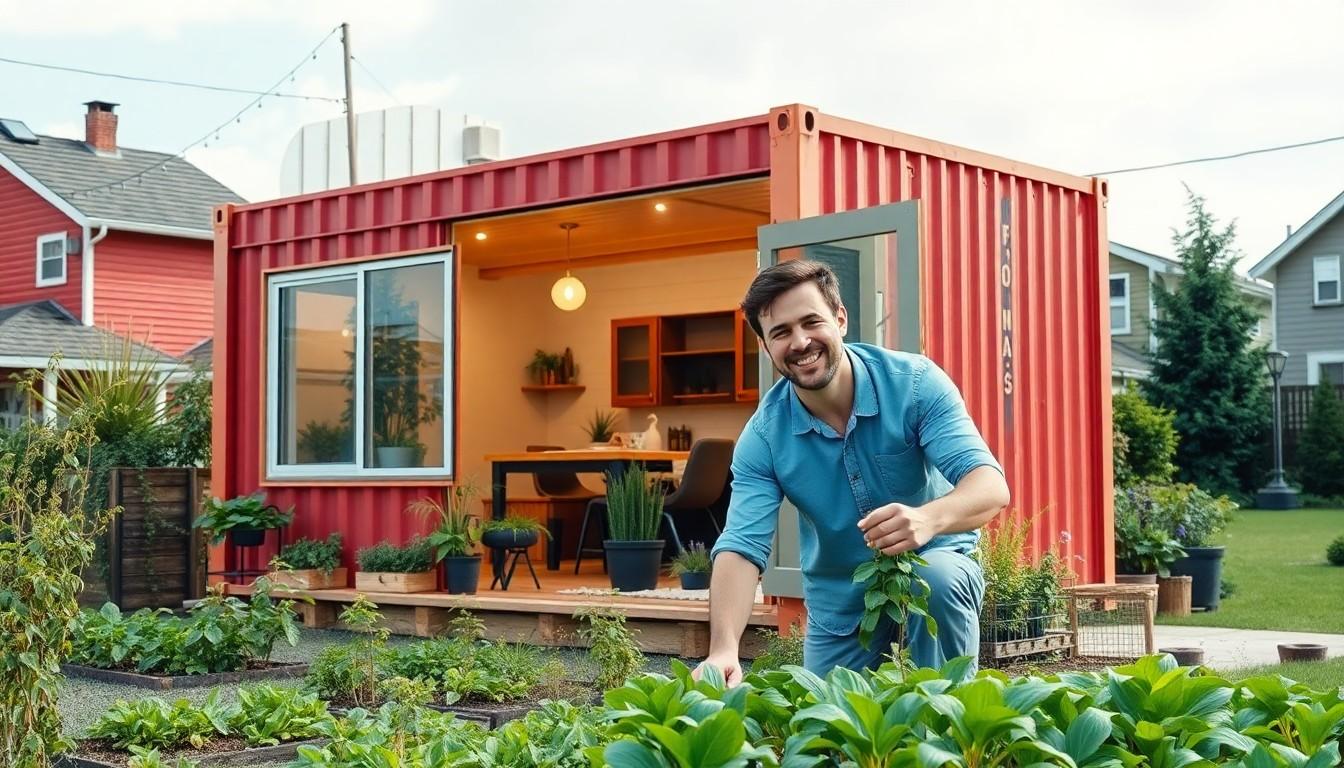
Imagine transforming a rusty shipping container into your cozy dream home. Sounds crazy? Well, it’s not just possible; it’s the latest trend that’s taking the housing market by storm! DIY container homes are the perfect blend of creativity, sustainability, and affordability. Plus, who wouldn’t want to brag about living in a house that once traveled the high seas?
What Is a DIY Container Home?
A DIY container home is a house built from repurposed shipping containers. These structures offer a unique living space that combines creativity with functionality. Many people choose DIY container homes for their cost-effectiveness and environmental benefits.
Transforming a shipping container into a cozy residence often requires minimal construction experience. Layout options vary widely, accommodating personal preferences and lifestyles. Some homeowners incorporate large windows and open floor plans to enhance natural light and spaciousness. Others prioritize insulation and energy-efficient systems for optimal comfort.
People appreciate the durability of containers, which can withstand harsh weather conditions. Shipping containers also provide excellent security; their solid steel structure deters unwelcome entry. Modifications allow for customization, enabling owners to create unique aesthetic designs.
Sustainability plays a crucial role in the appeal of DIY container homes. Repurposing containers reduces waste and minimizes environmental impact. Many individuals enjoy personalizing their homes with eco-friendly materials and energy systems, utilizing solar panels or rainwater collection systems.
Communities across the globe are embracing this innovative housing option, reflecting a shift toward alternative living. Prefabricated container units are easily transportable, allowing families to relocate their homes when desired. Affordable housing solutions remain critical in various regions, making DIY container homes an attractive alternative for many.
Benefits of DIY Container Homes
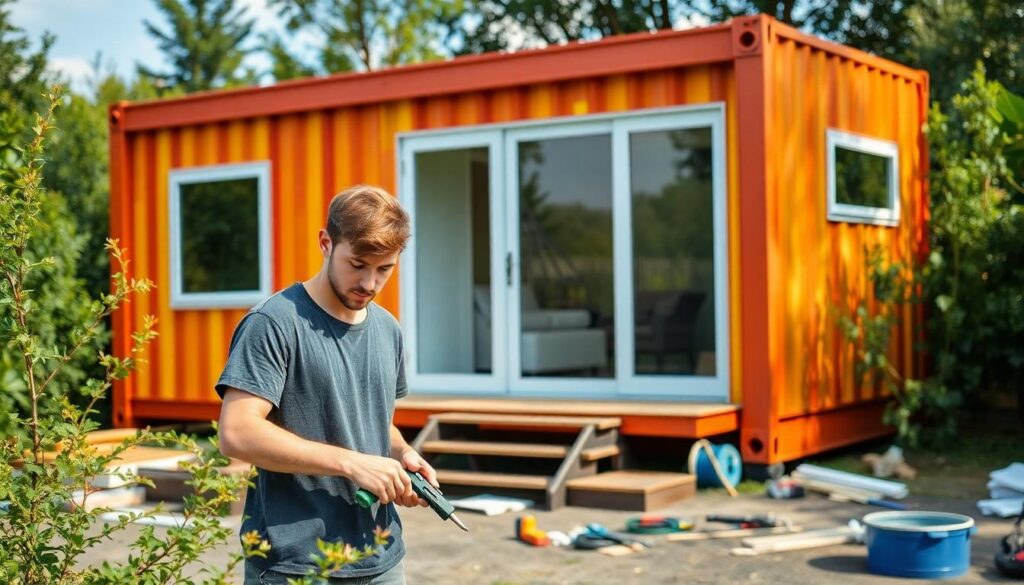
DIY container homes offer numerous advantages, making them an appealing option for many homeowners. They provide cost savings, sustainability, and extensive customization.
Cost-Effectiveness
Building a home from a repurposed shipping container significantly reduces construction costs. Prices for containers typically range from $1,500 to $5,000 depending on condition and size. Compared to traditional home construction, which can exceed $150,000, DIY container homes present a budget-friendly alternative. Lower utility bills result from efficient insulation and energy systems. Owners often save on property taxes due to the smaller footprint and overall cost savings. With fewer resources needed for construction, savings accumulate over time.
Sustainability
Using shipping containers for homes promotes sustainability through repurposing materials. Transforming containers reduces landfill waste and minimizes the environmental impact of new construction materials. Shipping containers are manufactured from steel, a material that’s infinitely recyclable. Many homeowners incorporate eco-friendly features, such as solar panels and rainwater harvesting systems, into their designs. This blend of reusing resources and adopting green technologies supports a healthier planet. DIY container homes also require fewer materials, aligning with a commitment to reducing one’s carbon footprint.
Customization Options
DIY container homes allow for extensive customization, meeting individual preferences and needs. Homeowners can modify layouts to create open floor plans or distinct rooms. Incorporating large windows enhances natural light and views, creating a welcoming atmosphere. Many choose to add decks, gardens, or outdoor living spaces to enhance usability. Interior finishes, plumbing, and electrical systems can be tailored to personal tastes and lifestyles. Flexibility in design enables unique expressions, making each container home a personal sanctuary.
Choosing the Right Containers
Selecting the right containers is crucial for a successful DIY container home project. Factors to consider include the type of container, its condition, and size.
Types of Shipping Containers
Two primary types of shipping containers exist: standard and high-cube. Standard containers typically measure 20 feet or 40 feet in length, providing ample space for living areas. High-cube containers offer an extra foot in height, allowing for improved ventilation and natural light. Additionally, both types come in various conditions, such as new, used, or one-trip containers. Used containers show wear but can be more affordable for budget-conscious builders. Opting for the right type ensures functionality meets aesthetic desires.
Assessing Condition and Size
Inspecting the container’s condition is essential before committing to a purchase. Look for rust, dents, or structural issues that could impact durability. A well-maintained container offers a solid foundation for a home. Size also plays a significant role; choosing between a 20-foot or 40-foot container affects layout options and livability. 20-foot containers work well for smaller footprints while multiple 40-foot containers combine for expansive layouts. Evaluating these factors contributes to a successful build that meets design and lifestyle needs.
Designing Your DIY Container Home
Designing a DIY container home involves careful planning and creativity. Every space can reflect personal style and needs.
Layout Considerations
Choosing the right layout significantly impacts functionality and comfort. Open floor plans create an airy feel, allowing for versatile use of space. Combining multiple containers expands options, offering room for separate areas like living and sleeping quarters. Effective placement of windows maximizes natural light, enhancing the overall atmosphere. Incorporating multi-functional furniture optimizes limited space, making it easier to adapt to daily needs. Thus, evaluating layout before starting guarantees a practical and welcoming environment.
Interior Design Ideas
Interior design plays a crucial role in transforming a container into a home. Selecting a cohesive color palette creates harmony throughout the space. Using natural materials contributes to warmth and aesthetic appeal, making the environment more inviting. Adding large area rugs can define different areas, enhancing visual separation while maintaining an open feel. Incorporating greenery through indoor plants improves air quality and adds a touch of nature. Lastly, customizing features like built-in shelves optimizes storage without sacrificing style.
Construction Process
Constructing a DIY container home involves several critical steps to ensure a successful endeavor. Proper site preparation and gathering essential tools and materials constitute key phases of the process.
Site Preparation
Selecting the right location for the container home sets the foundation for the entire project. It typically starts with clearing debris and leveling the ground, which creates a stable base. After clearing, installing a drainage system may prevent potential water issues. Soil testing becomes essential in determining the land’s stability and avoiding complications. An accessible entry point is also crucial for transporting containers and materials. Ensuring compliance with local zoning laws and building codes aids in avoiding legal setbacks during construction.
Essential Tools and Materials
Gathering the right tools and materials is vital for efficient construction. An angle grinder and a reciprocating saw prove useful for cutting container walls and windows. Additionally, a drill and a variety of drill bits assist in secure fastening. Hand tools like hammers, wrenches, and levels help ensure precision in assembly. Consideration of materials includes insulation for temperature control and weatherproofing sealants for durability. Other necessities encompass electrical wiring and plumbing supplies for creating functional living spaces. Having all tools and materials ready expedites the overall building process, minimizing delays and enhancing productivity.
DIY container homes represent a remarkable fusion of creativity and sustainability. They offer an innovative solution for those seeking affordable housing options while minimizing environmental impact. With endless customization possibilities and the ability to create a unique living space, these homes cater to individual tastes and lifestyles.
As more communities embrace this trend, it’s clear that container homes are not just a passing fad but a viable alternative to traditional housing. For anyone considering a DIY project, the journey of transforming a shipping container into a cozy haven can be both rewarding and fulfilling. Embracing this unique lifestyle opens doors to a new way of living that values creativity, sustainability, and personal expression.